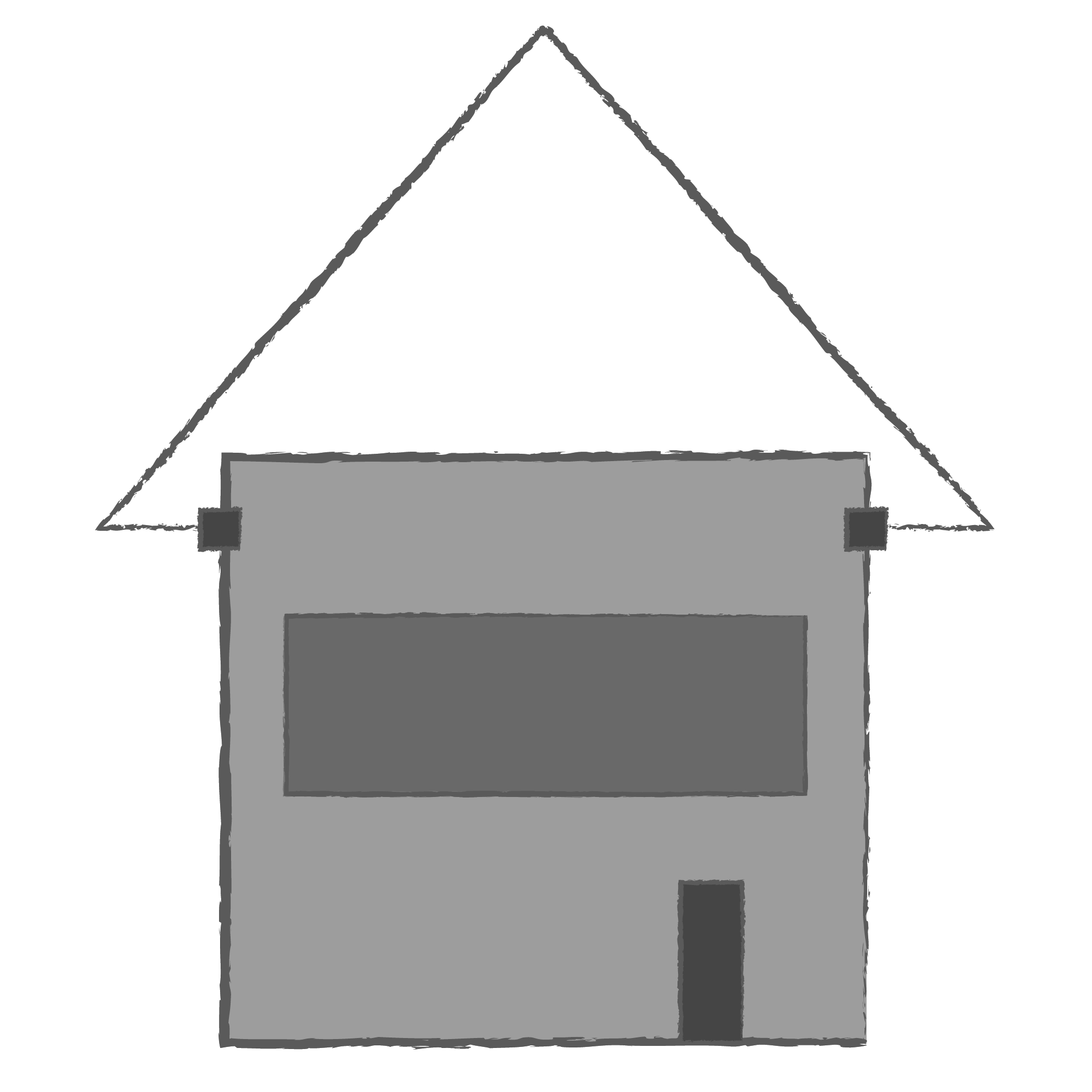
in this entry, I want to talk about one of the books that made changes in how I approach architecture and the process of creating something.
species of spaces by georges perec.
I admire and try to follow his observation skills and his ambition toward taking notes and making lists of everyday life events or situations.
before the first step.
this is how space begins, with words only, signs traced on the blank page. (species of spaces, perec, p.13)
we were thought to begin with site plans, masses, sun angles, the distant silhouette of the building. but when we weren’t careful, this made our designs lose something.
the site is too far away to start with. too clean, too solved.
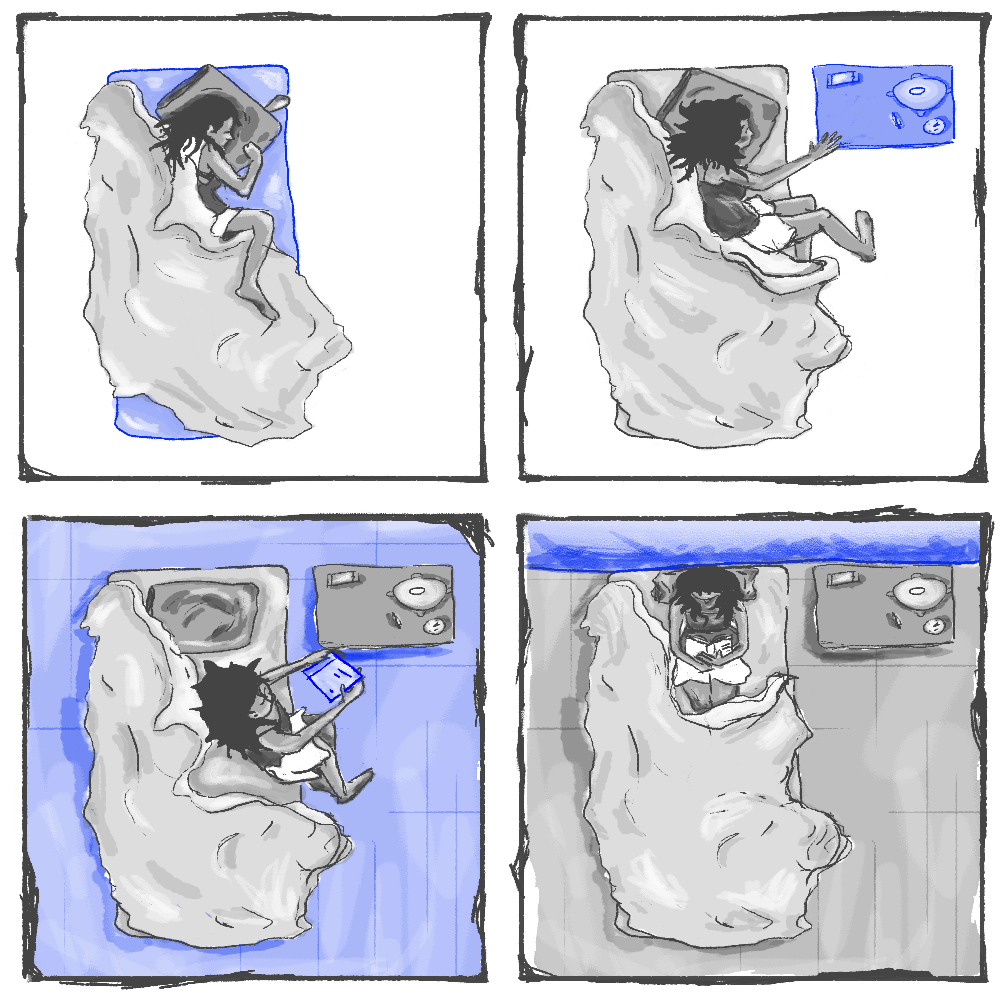
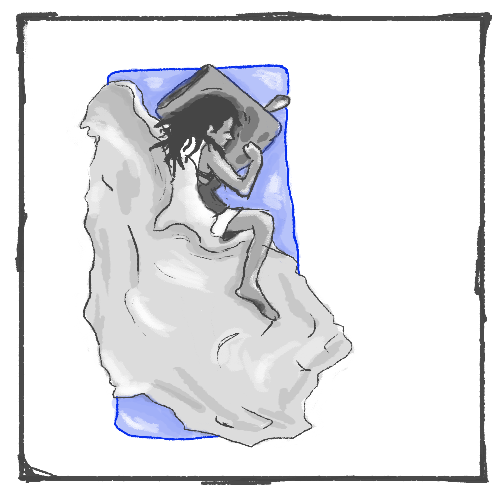
instead of asking where the sun is, we should be asking when and how long a person lies down.
no one is taught to ask how the bed feels at 7 am, how long does it take for a person to leave the bed. how the room smells when you haven’t opened the curtains yet.
but that’s where it begins, right?
before function. before the drawing.
in that stretch of not moving.
i don’t think space starts with performance.
it starts with not wanting to get out of bed, with weight, with hesitation, with being a person before becoming a user.
architecture; the places we live in, breathe in, drag our feet in start with us.
only then it should reach outward and be honored to strengthen the relation between the human and its environment, or in this case, site.
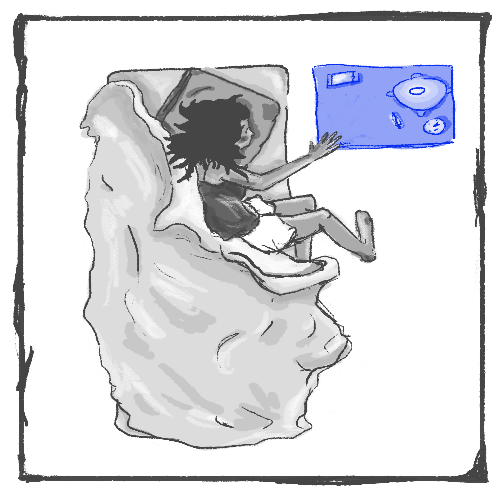
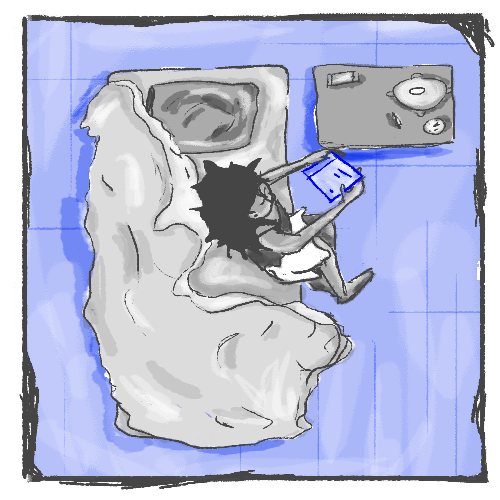

where do you go when you’re not tired or hungry?
it seems to me, in any case, that in the ideal dividing-up of today’s apartments functionality functions in accordance with a procedure that is unequivocal, sequential and nycthemeral. (species of spaces, perec, p. 28)

the room was already named before we designed it: bedroom. kitchen. living room.
someone decided what we would do inside them
before we even opened the door.
we were thought to draw a line and call it a wall, and that wall decides the rest.
either cooking or not.
either inside or out.
either on the toilet or not.
but where do we go when we’re not tired
not hungry
not being productive?
can we even think of a space not inhabited by routines?
maybe we should try to design a room that lets you leave whenever you want, or not.
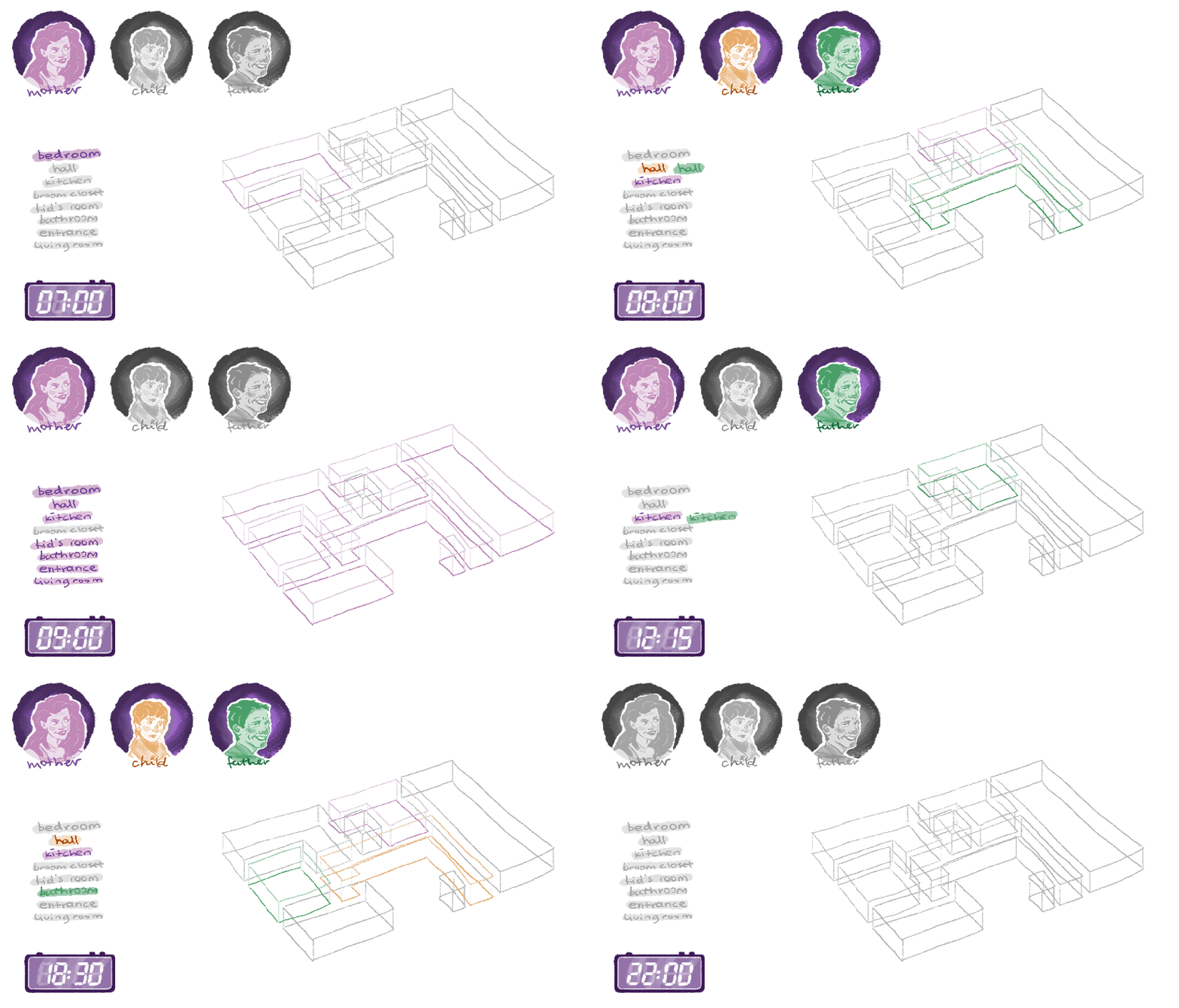
we should be aware of the moments before we act,
and places that don’t require action.
habits and routines are not certainties, they are blurs. a numbness, in some way.
what i wanted to do, writing about this book, was not to gather solutions, not to invent a new kind of space.
i just wanted to look and to slow down enough to notice the spaces we forget, the hesitation before movement, the quiet in-between.
to end, i’ll borrow perec’s words:
space is a doubt: i have constantly to mark it, to designate it. it’s never mine, never given to me, i have to conquer it. (species of spaces, perec, p. 91)
 a bag of holding