While studying architecture, you are taught to start from the largest scale and work your way down: country, city, neighborhood, plot. A problem is identified or created, and you design a solution.
But where does the human, the essential subject of architecture, remain in this framework?
“The House of Small Cubes” is a short film1 that reminded me there is much to be said on this subject. this movie follows a man living in a flooding world, building his house higher with each rising tide—laying bricks himself, moving his belongings himself. When his pipe falls to a lower floor, he dives down through submerged levels, revisiting memories floor by floor.
He sees a different object on each floor: pipe, bed, armchair, door, table, cradle, wine glass. All of these come to mean something else to him. He remembers his wife whom he lost in the same bed, his grandson playing in the armchair, his son-in-law opening the door, the meal he ate with his wife on the table, his daughter in the cradle, and in the wine glass, how they first started building this house.
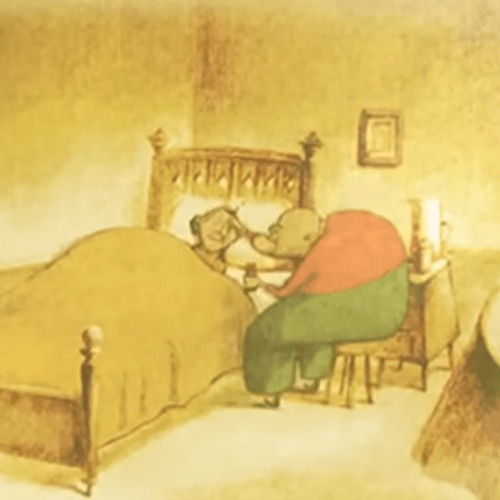
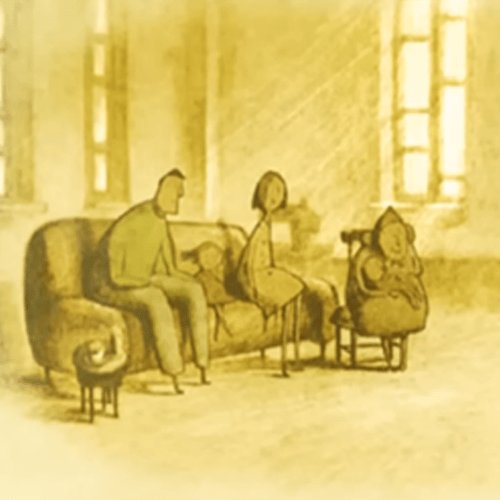
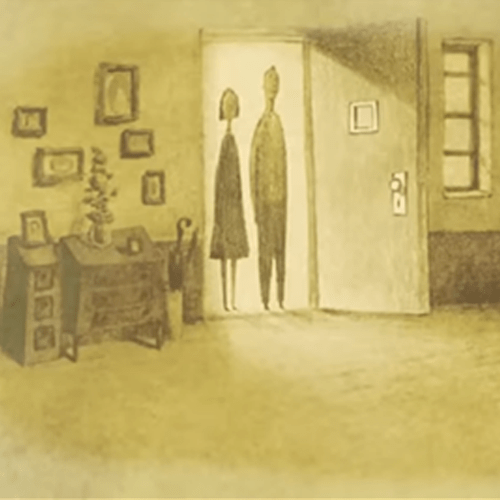
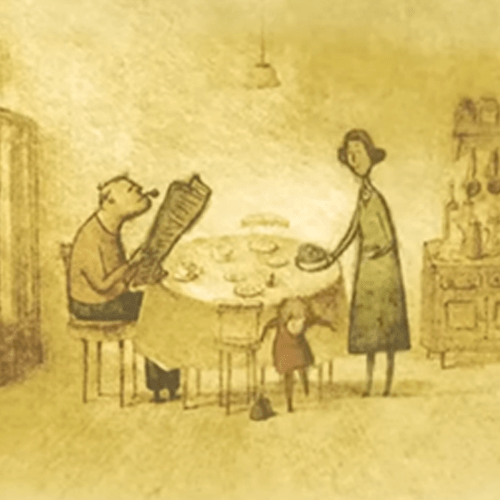
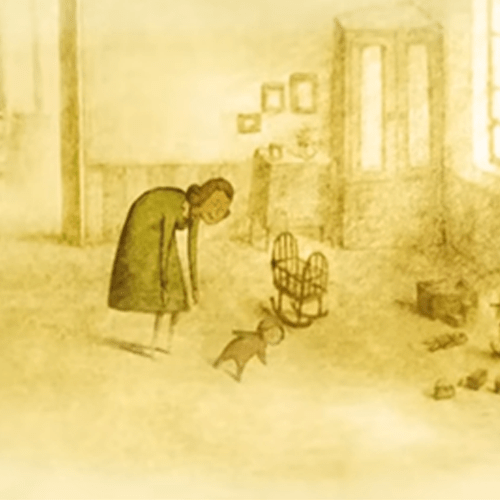
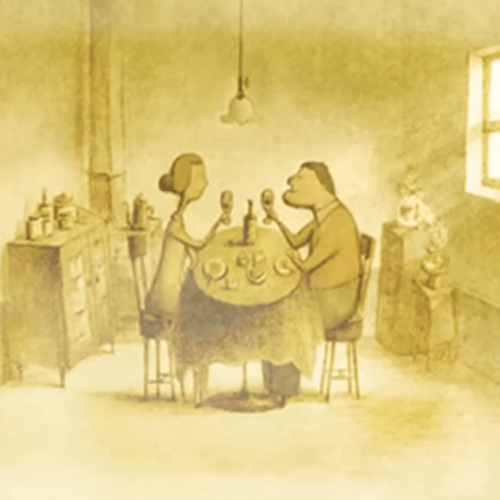
all the images above belong to the movie
So why don’t architects begin with these kinds of things—objects to which memory clings, and the people who make meaning with them?

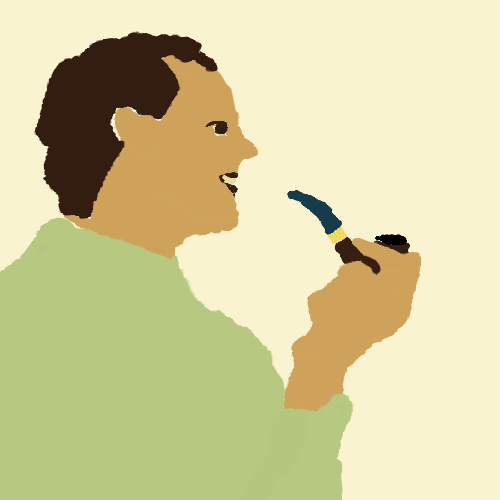
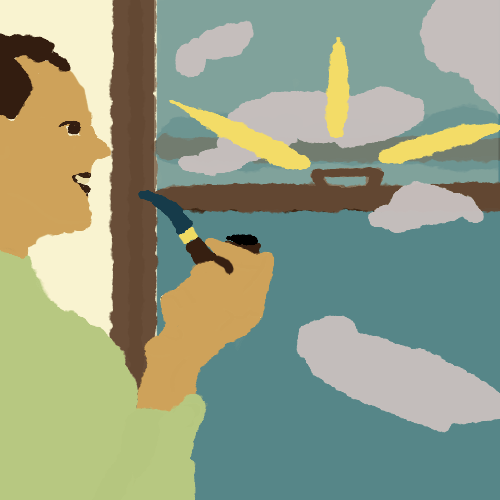
Why doesn’t a pipe, the man smoking the pipe, the smoke he will exhale out of his window guide the design?
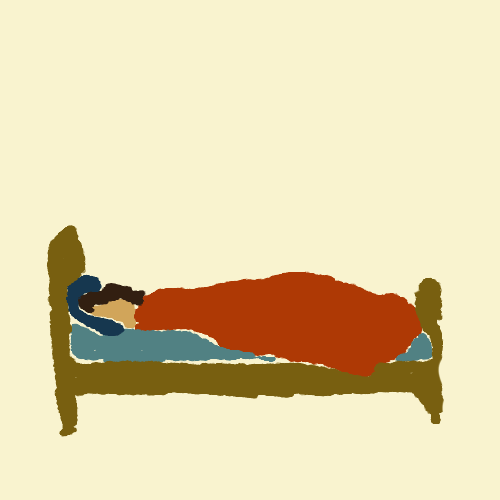
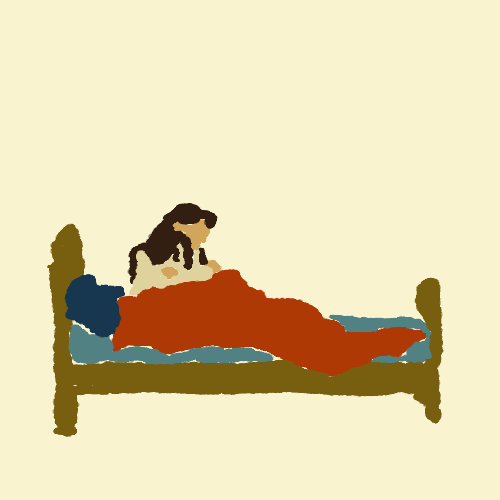
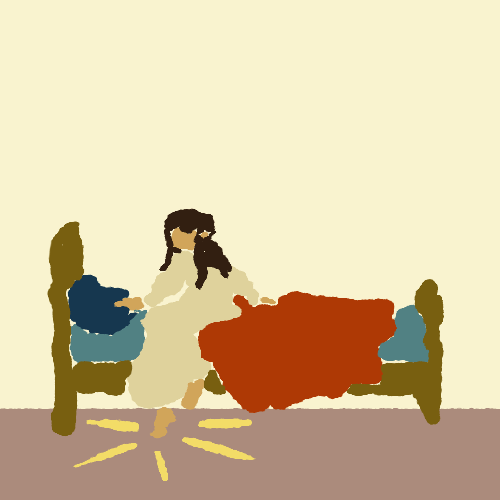
Why doesn’t a bed, the person waking up in the bed, what they feel when they sit up and step on the floor guide the design?
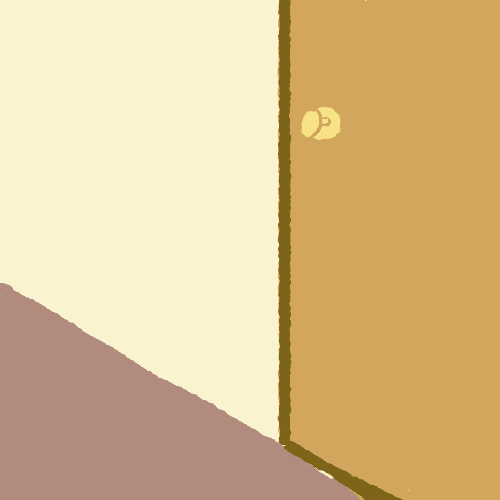
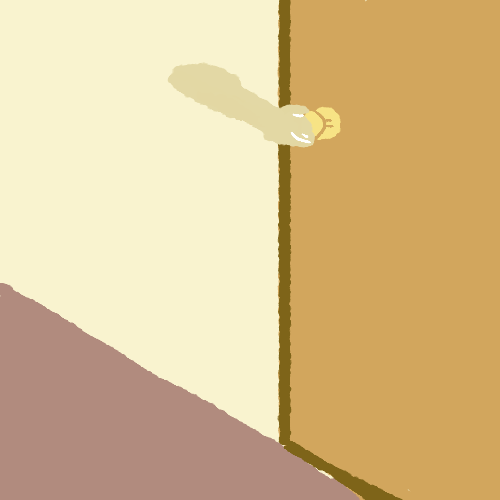
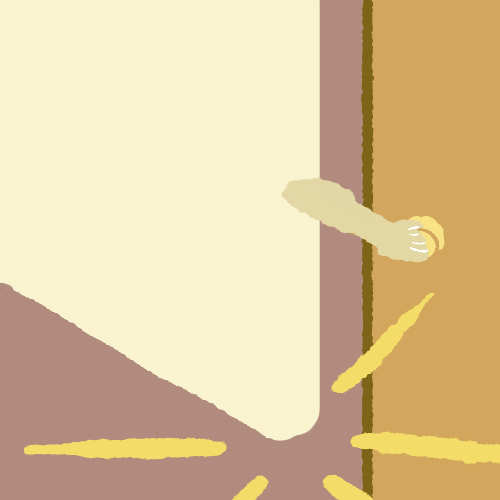
Why doesn’t a door, the hand reaching for the door, the act of opening the door and passing through the threshold guide the design?


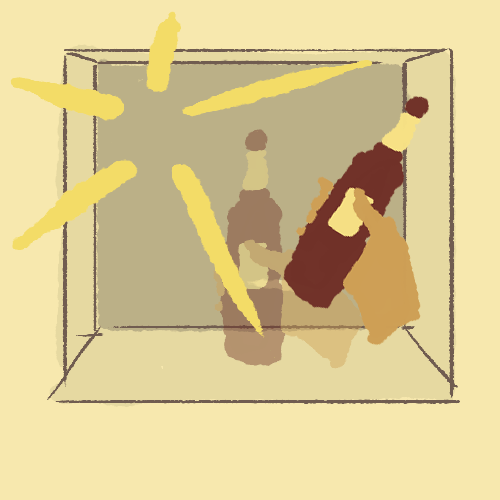
Why doesn’t a wine bottle, the hand holding the bottle, storing it by placing it in a niche opened in the wall guide the design?
 this is not.