writing
-
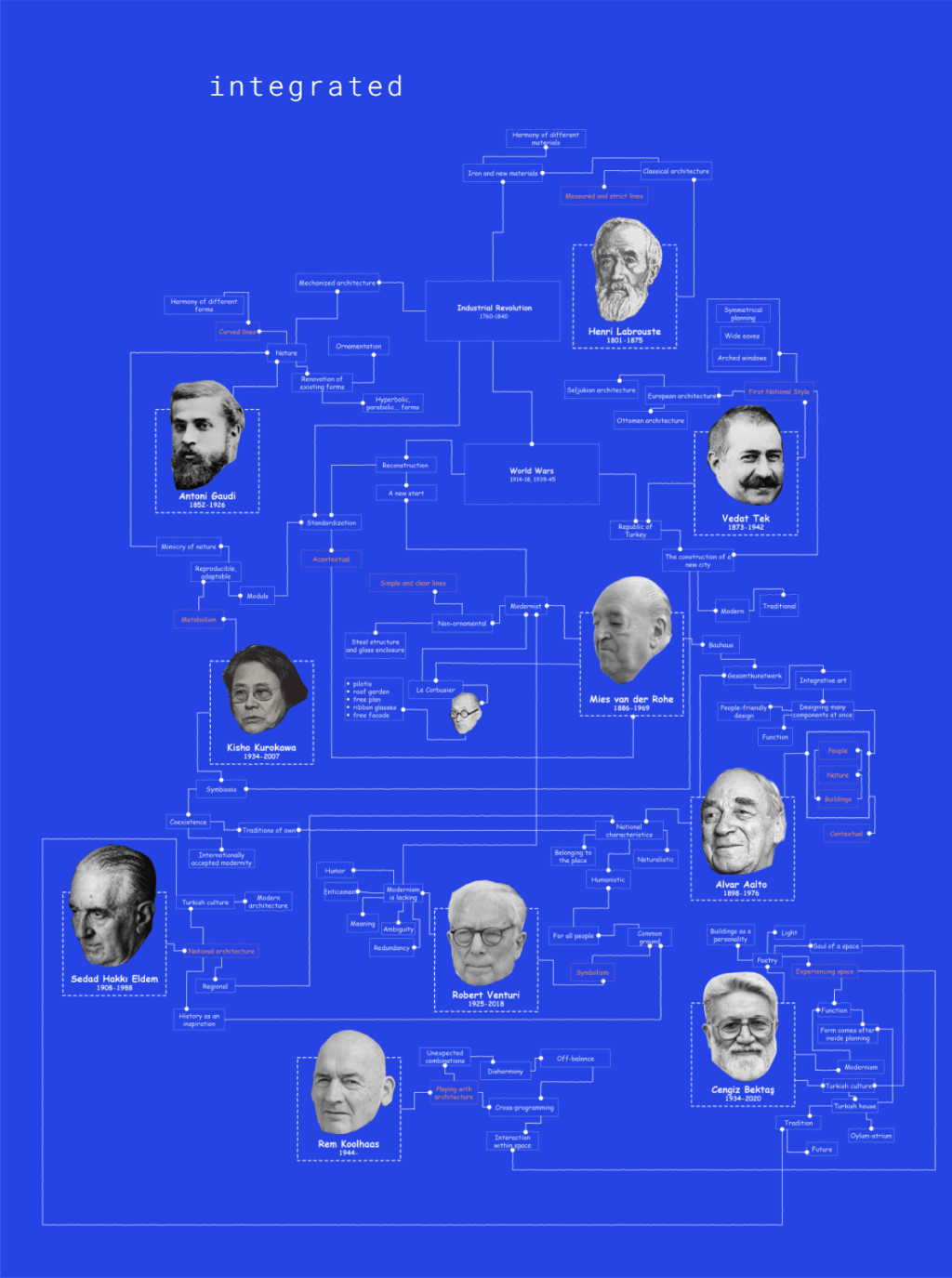
entry 22. – timeline of architecture / 20th century
I want to share another website that I made in school for an architecture history class. here, you can read why I made the website: This site was created for the final assignment of the History of Architecture IV course. The aim is to examine the architecture of the twentieth century in a chronological order…
-

entry 21. – the timeless way of building*
*Alexander, Christopher. The Timeless Way of Building. New York: Oxford University Press, 1979. I’ve been exploring connections between worldbuilding and architecture as a way to imagine what could be. Worldbuilding has developed particular ways of thinking about creation and emergence. I’m curious whether those ways of thinking could enrich architectural practice. To gain a perspective,…
-

entry 20. – maps of worldbuilding 02
this entry is a continuation of entry 19 – maps of worldbuilding 01, if you haven’t checked yet, be sure to click the button: I’ve explored the importance of maps for worldbuilding and fiction, examining maps of our world (in Tolkien’s words, ‘the primary world’) created within past cultures and their technologies. Now, drawing further…
-
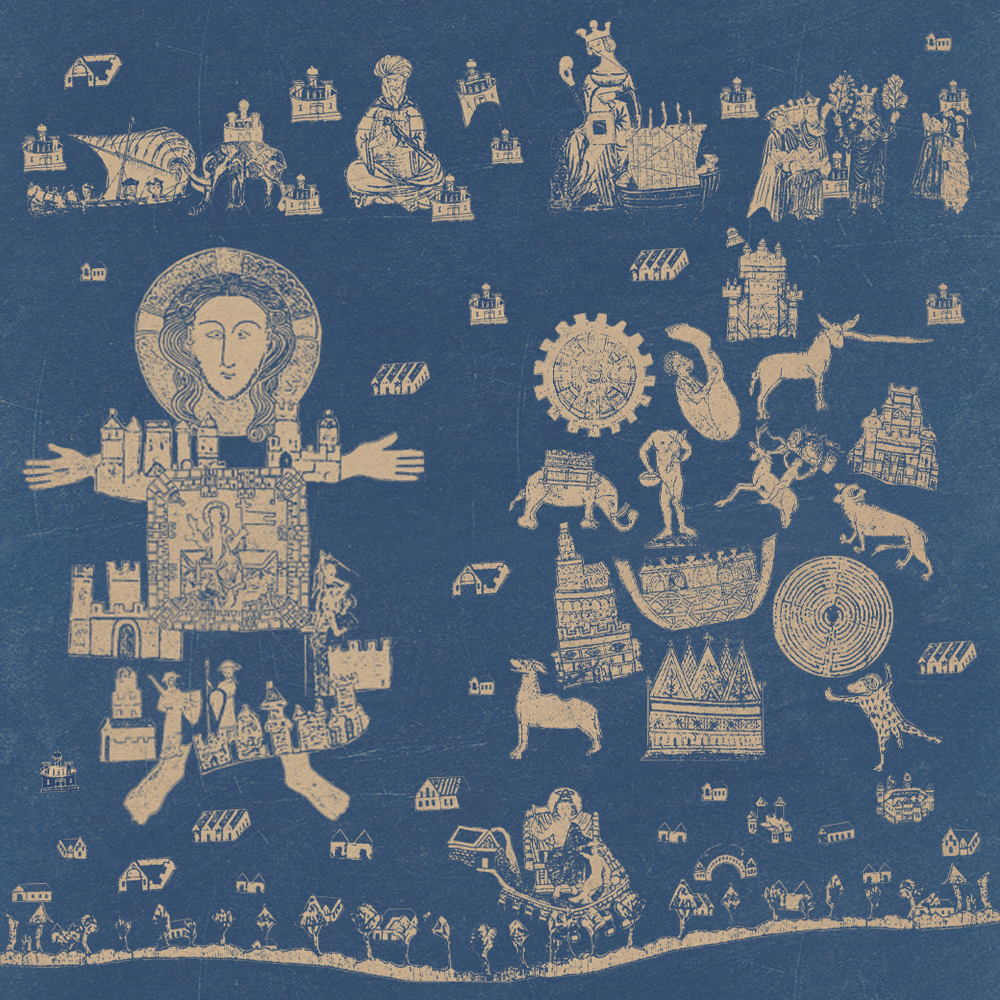
entry 19. – maps of worldbuilding 01
I’ve always been fascinated by fictional works, whether fantastical or not. Not just the final products, but how these fictional works come into being has always been in my field of interest. Worldbuilding captures my attention for this reason. I’m currently reading a book called Building Imaginary Worlds (wolf, 2012). I’ll continue examining some chapters…
-

entry 18. – stairs
in school, i’ve researched about an interesting architectural element: stairs. Here is the product of that research.
 a bag of holding