sketches
-
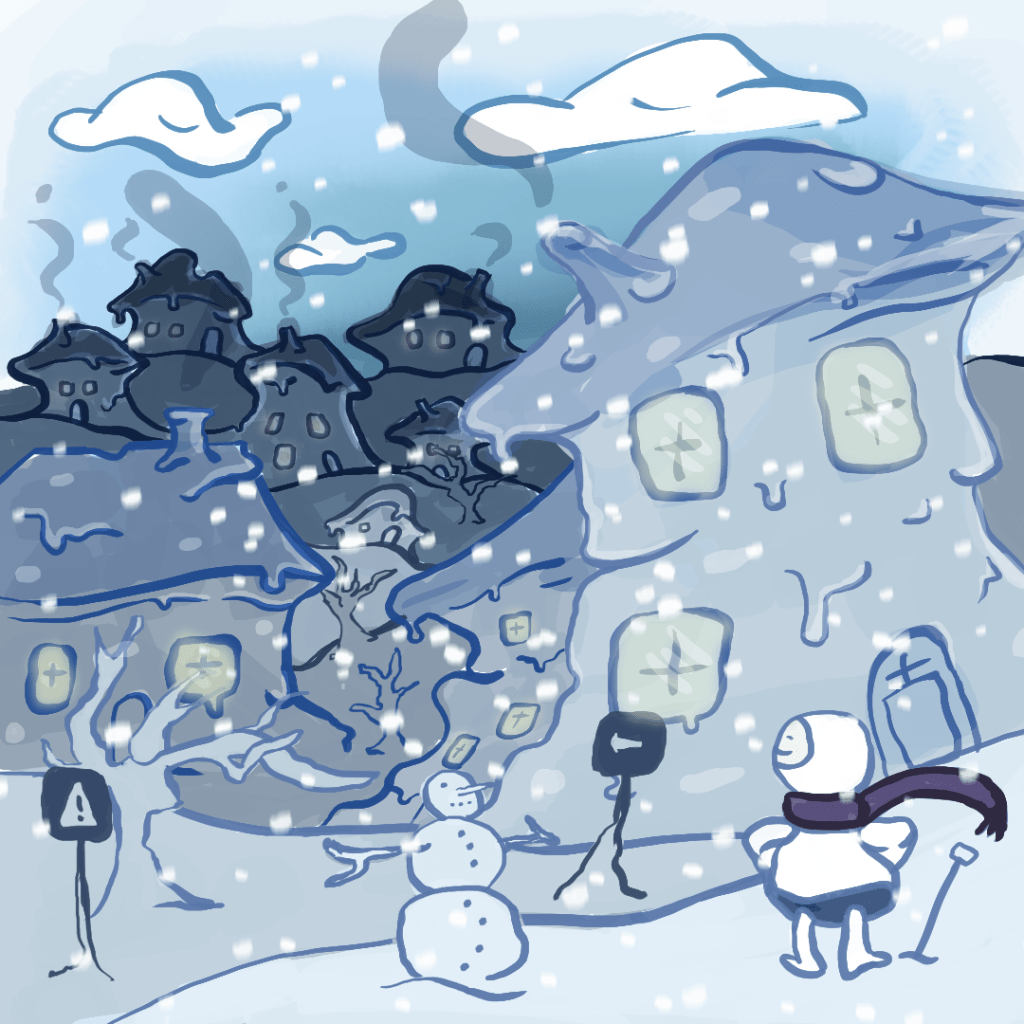
entry 17. – the city lost in snow
While reading Italo Calvino’s Marcovaldo, or The Seasons in the City, one passage from “The City Lost in Snow” made me think more deeply about cities than perhaps any other: Marcovaldo learned to pile the snow into a compact little wall. If he went on making little walls like that, he could build some streets…
-
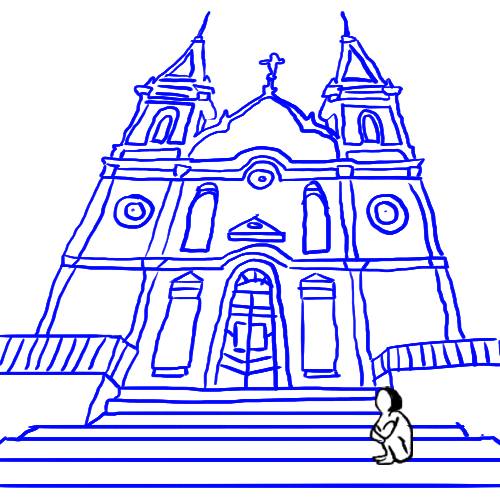
entry 16. – flatland
Flatland begins with a square living in a two-dimensional plane who encounters a sphere from the three-dimensional world. As the sphere introduces him to the third dimension, the square meets a dimension that had never existed for him before. The book is not just an allegory about dimensions, but also powerfully discusses the prison of…
-

entry 15. – subjects of architecture
While studying architecture, you are taught to start from the largest scale and work your way down: country, city, neighborhood, plot. A problem is identified or created, and you design a solution. But where does the human, the essential subject of architecture, remain in this framework? “The House of Small Cubes” is a short film…
-

entry 12. – the amsterdam orphanage
Aldo van Eyck sought to rethink the relationships between spaces.Not as isolated forms, but as a connection of them. Spaces between spaces. I’ve previously explored his text “Steps towards a configurative discipline”. He thought that architects should try and design thresholds rather than forms. resist the urge to divide, and give shape to what lies…
-
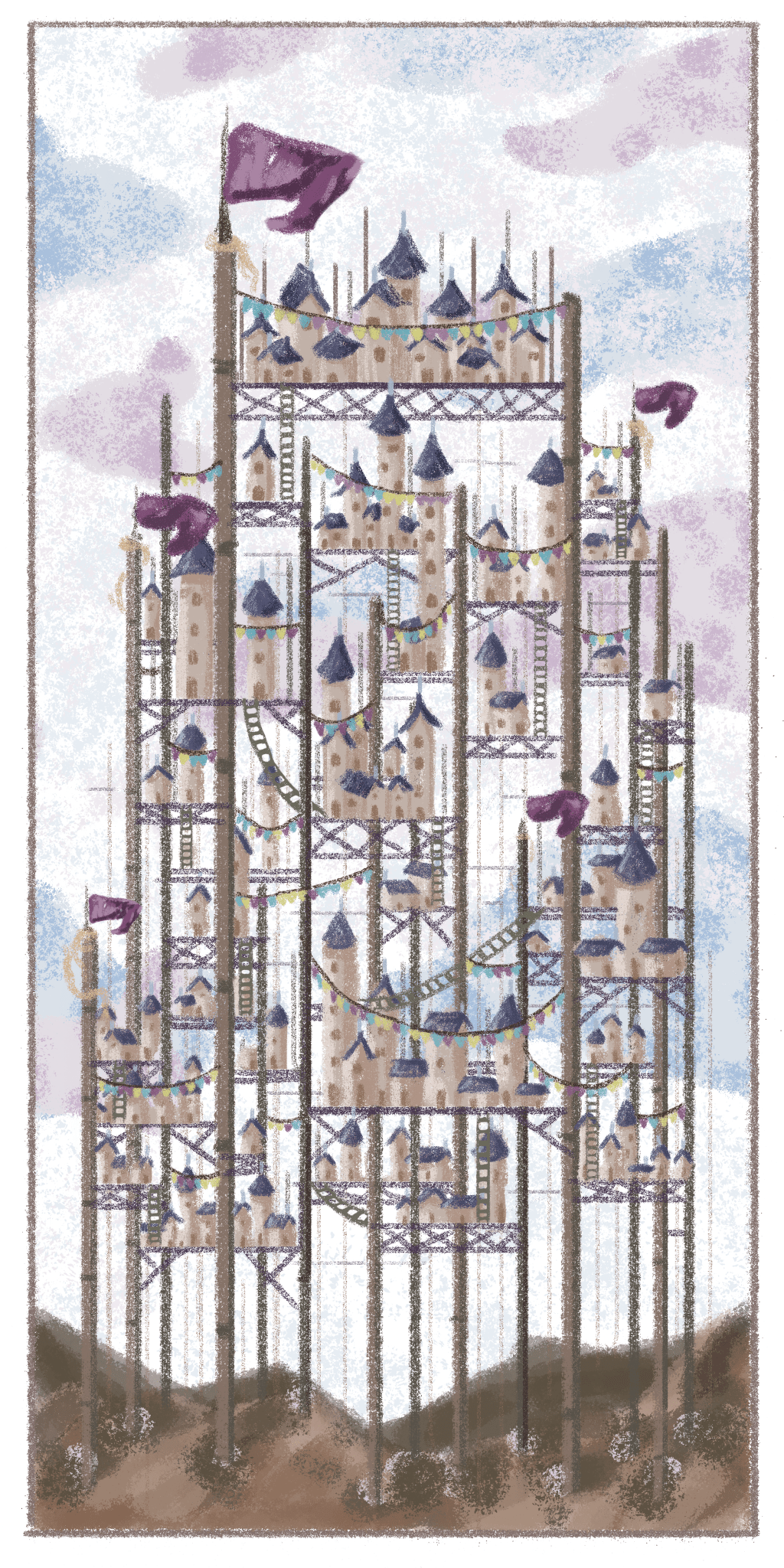
entry 11. – zenobia (invisible cities series, 02)
“Now I shall tell of the city of Zenobia, which is wonderful in this fashion: though set on dry terrain it stands on high pilings, and the houses are of bamboo and zinc, with many platforms and balconies placed on stilts at various heights, crossing one another, linked by adders and hanging sidewalks, surmounted by…
 a bag of holding